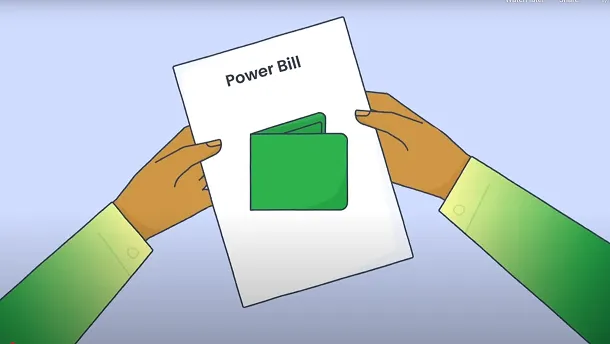

Solar-electric hot water, made simple

Sol•Flare turns your hot water cylinder into a solar battery, giving you reliable hot water and big savings every day.
Sol•Flare:
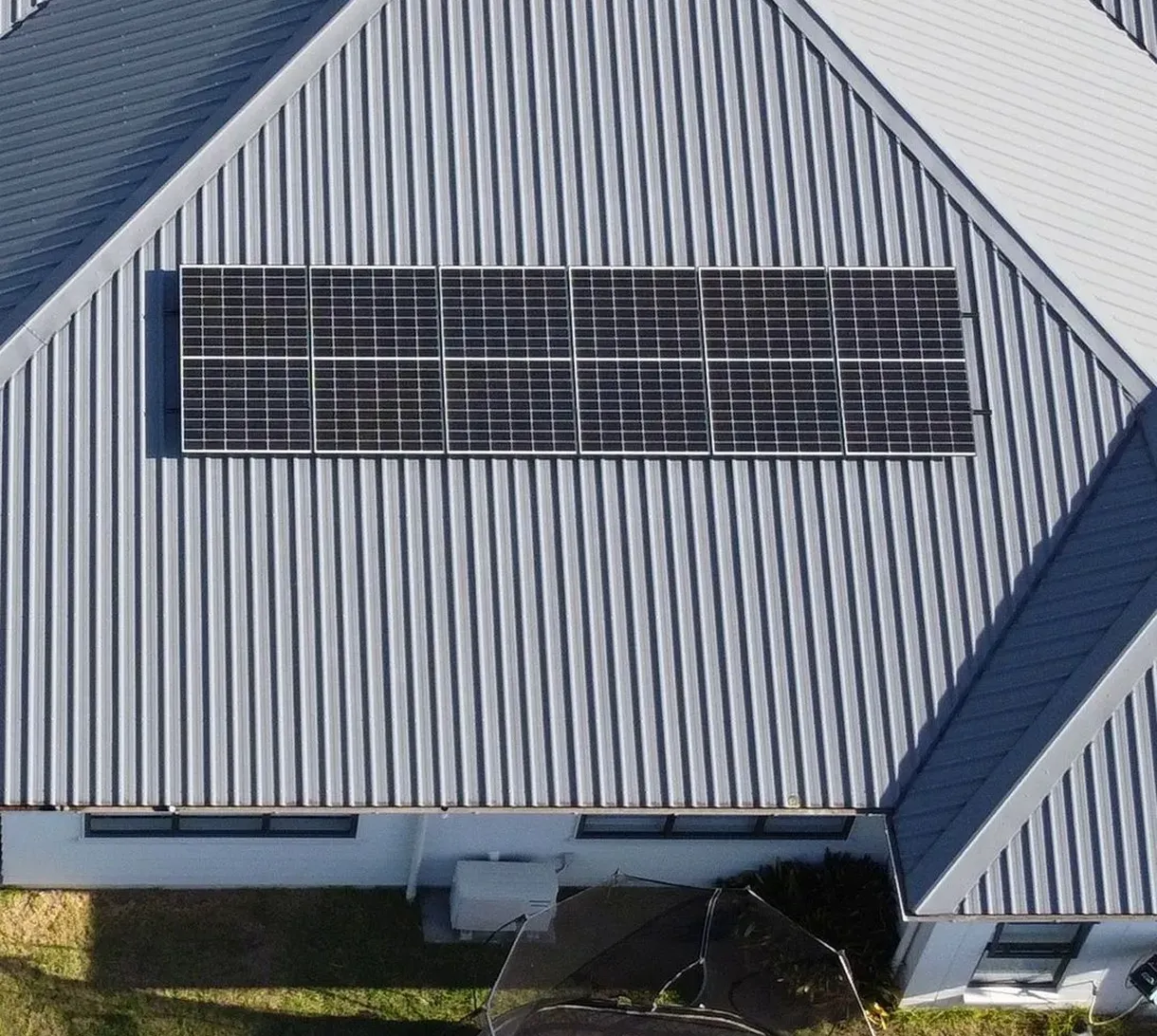
- Uses 4–6 roof-mounted solar panels
- Connects directly to your existing hot water cylinder
- Requires no plumbing or element changes
- Uses solar first, with only occasional mains top-ups when needed
- Ensures hot water 365 days a year
A smart system that’s simple, efficient, and designed for New Zealand homes.

How the OneEnergy Sol•Flare system works
Solar panels generate power across the entire day
We install 4 or 6 solar-electric (PV) panels on your roof, based on your household size.
Power feeds directly into your hot water cylinder element
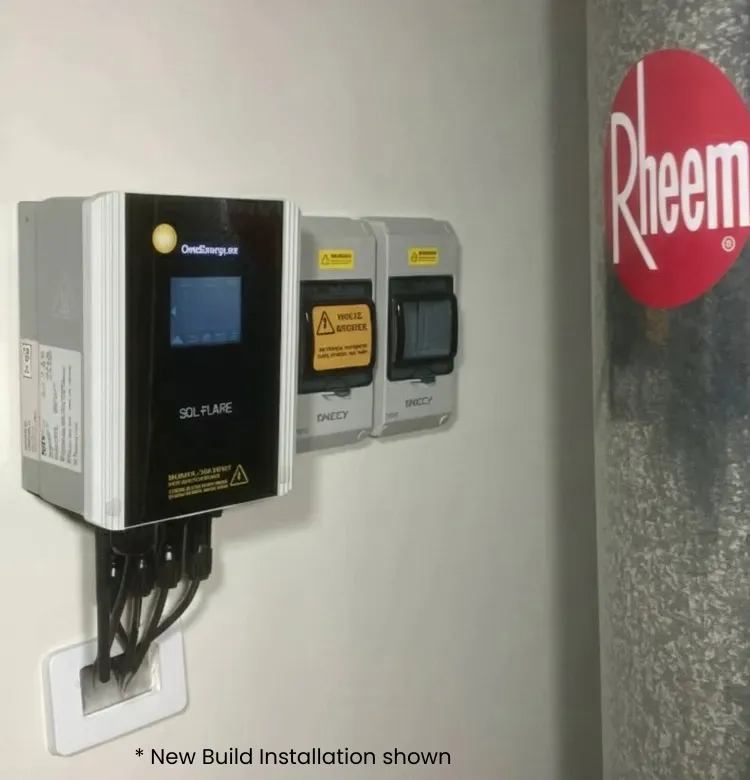
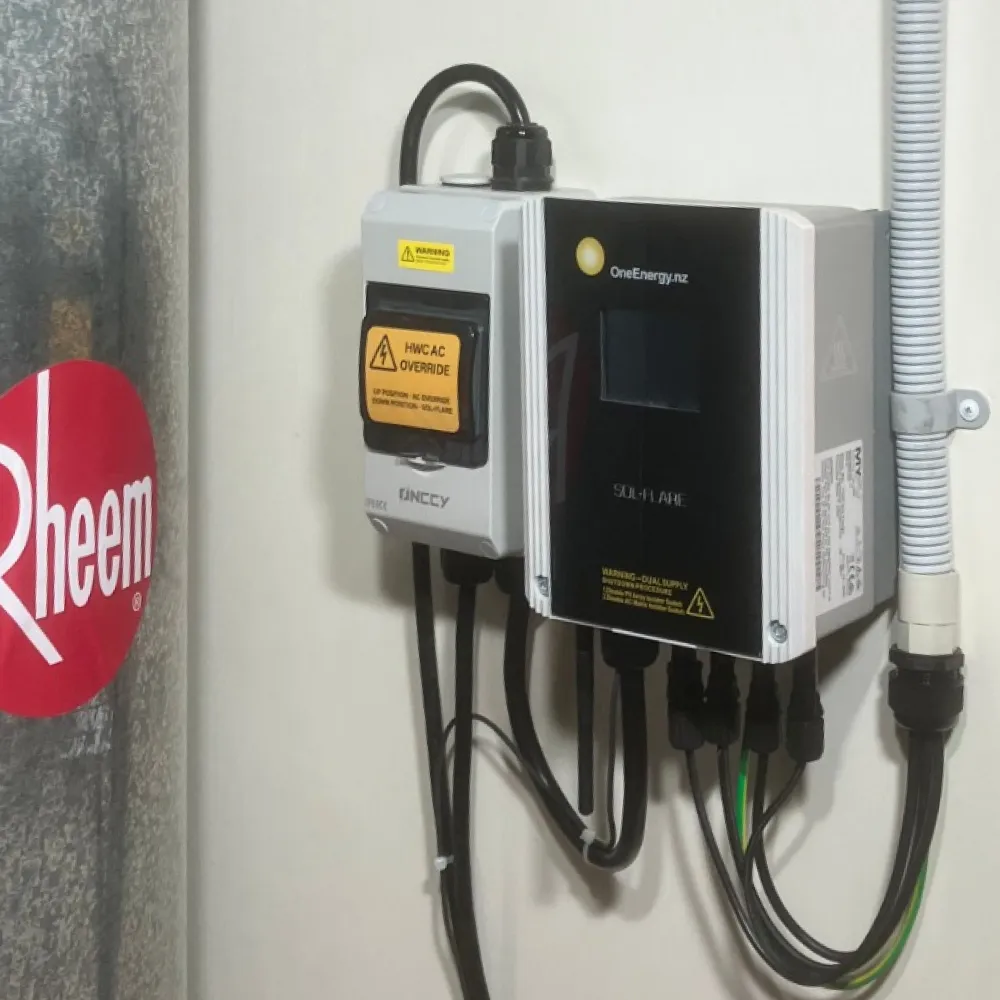
Energy flows straight to our Sol•Flare controller, installed in your hot water cupboard.
Sol•Flare intelligently heats your water
It uses all available solar energy first and only tops up with mains power if needed.
Your cylinder acts as a giant thermal battery
Any excess solar heats your tank to safe, higher temperatures (up to 70°C), storing more usable hot water.
You always have hot water
If several cloudy days prevent the tank from reaching temperature, Sol•Flare will use a small amount of mains energy to finish heating — but this is rare. On typical days, your hot water is powered entirely by the sun. Optional low-tariff overnight top-up is available for high-use homes.
How Hot Water Cylinders Work
Hot water cylinders rely on a simple 3,000W electric element — comparable to powering hundreds of LED lights at once.
Here’s what it does:
- Every time someone showers, cold water tops up the tank and the element switches on.
- It will run for 3–5 hours a day to keep the tank hot.
- It’s usually the biggest power-hungry appliance in your house.
- And the tech hasn’t changed: today’s elements work exactly the same as they did in the 1950s.
Why this matters:
A hot water cylinder doesn’t adjust to weather, sunlight, or energy availability. Its 3,000W element switches on whenever needed, often consuming 30–50% of a home’s daily electricity use.
How Sol•Flare changes that
Sol•Flare upgrades your existing hot water cylinder so it can use solar power efficiently, something standard elements can’t do on their own.
Uses the amount of solar available
From first light to late afternoon, Sol•Flare draws on all available solar power, whether that’s 50W or 2,700W, to steadily heat your cylinder.
No inverter required
Solar energy flows straight from the panels to the element, with no conversion losses.
More of your solar becomes hot water.
Maximises solar all day long
Fluctuating or cloudy conditions aren’t wasted. Sol•Flare constantly adjusts, feeding every usable watt into your cylinder.
Reliable hot water, every day
If several low-sun days mean your cylinder hasn’t reached temperature by late afternoon, Sol•Flare adds a small mains top-up so you’re always covered. On most days, your hot water is fully solar-powered.
Benefits of Sol•Flare
- No pumps, diverters, or behaviour changes
- Uses your existing cylinder
- Automatically manages power with no need for apps or adjustments
- Fewer components than traditional solar hot water
- No inverter required
- Makes the biggest power user in your home dramatically cheaper to run
- Award-winning German-engineered Sol•Flare technology
- Minimal components, no moving parts
- Long life and extremely stable performance
- Nothing to service
- No whirring pumps or fans
- Generate your own hot water from sunlight
- Reduces exposure to rising daytime energy prices
- Hot water heating is the largest power load in most homes
- Sol•Flare slashes grid energy consumption for hot water
- Hot water becomes self-powered
- Eases pressure on New Zealand’s wider power supply
- Improves resilience during outages and times of heavy grid use
Best Practice:
How Households Overseas Do It
In mature solar markets, homeowners follow a simple two-part model:
Maximise self-consumption of solar by using a solar hot water controller with dedicated panels (your cylinder becomes a low-cost solar battery)
Then, add a grid-tied solar system with a battery for the rest of the home
This approach reduces the need for extra hardware, boosts household efficiency, and future-proofs your home as buy-back rates decline and export limits tighten.
OneEnergy follows this internationally proven model
Read more about Sol•Flare
Get your free, no obligation quote now
Get your tailored proposal showing exactly how your solar-electric system will look on your home, including panel placement and estimated hot-water energy savings.