

How Our Solar-Electric Hot Water Heating Works

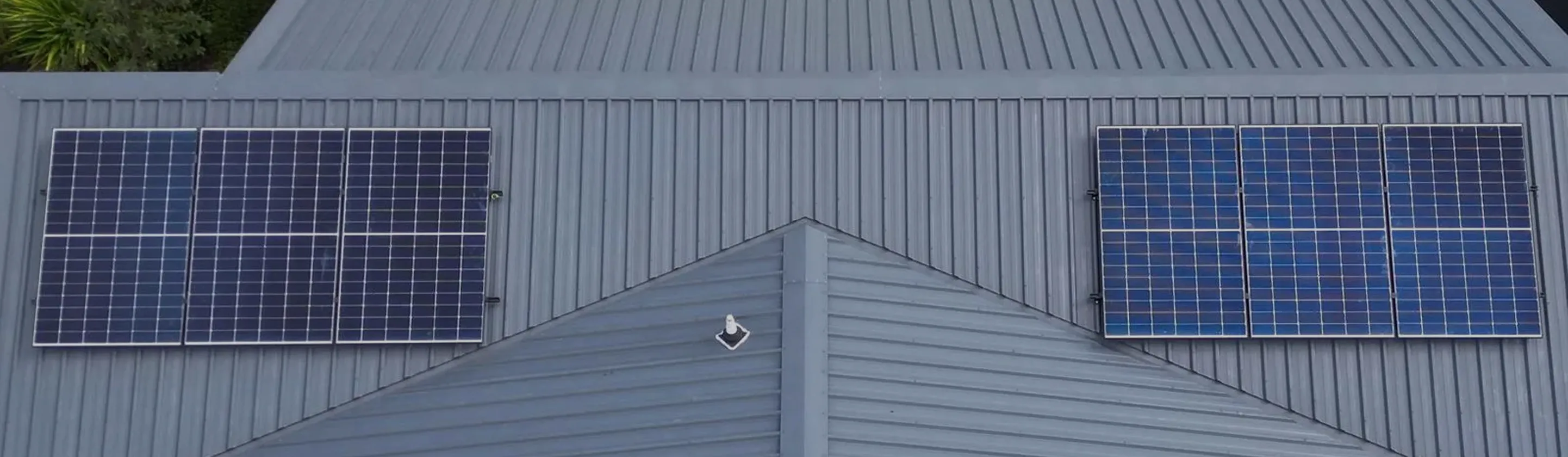
This page is designed for homeowners and technical readers who want to understand the engineering behind Sol•Flare and how it turns your existing hot water cylinder into a highly efficient solar-powered thermal battery.
System overview
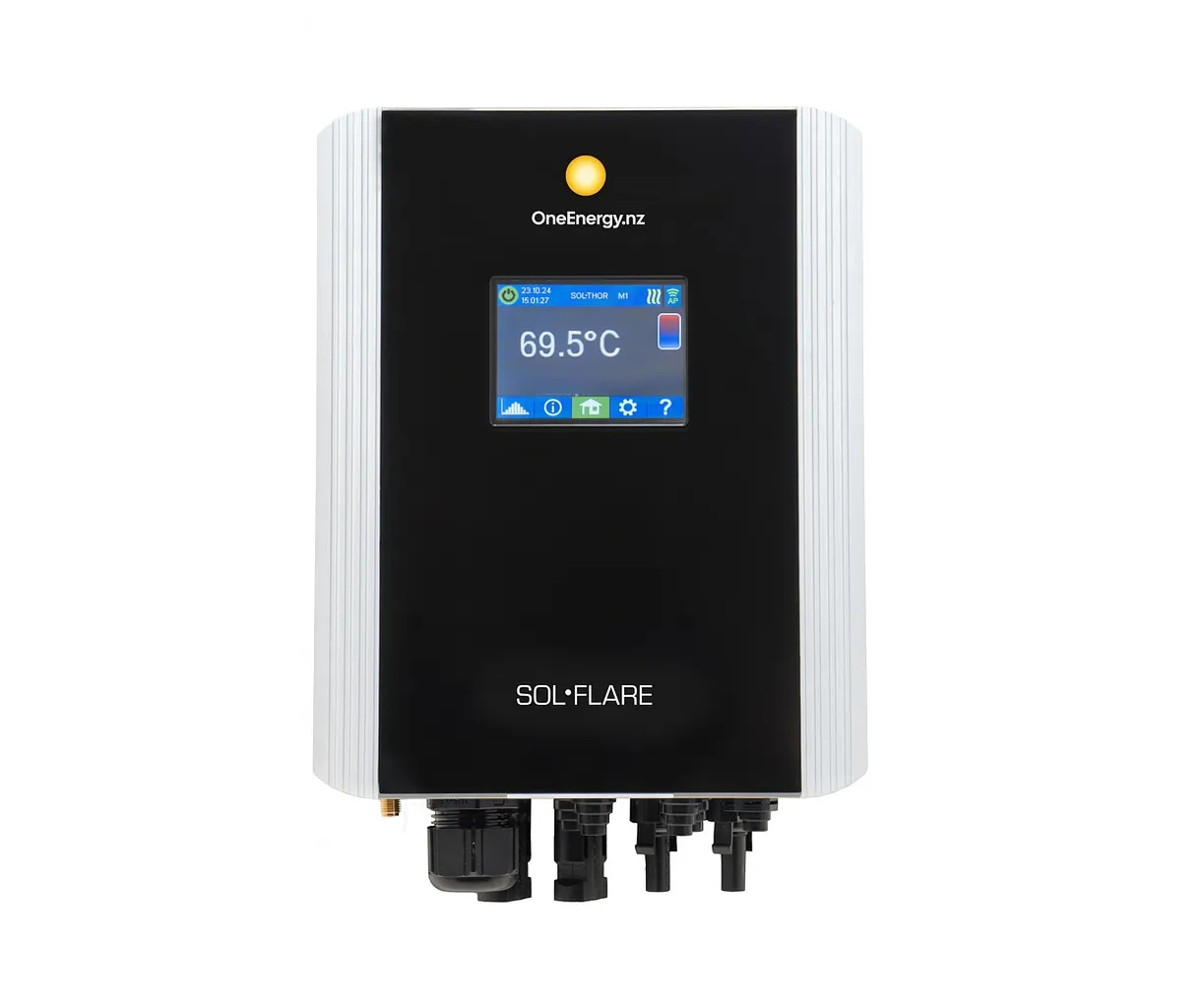
The OneEnergy Sol•Flare system pairs 3 - 10 solar-electric panels with a smart controller that feeds direct DC power into your existing hot water cylinder. Instead of relying on an inverter or replacing plumbing, Sol•Flare uses your current element and upgrades the way it receives and manages energy.
Throughout the day, the system prioritises solar power and intelligently coordinates with your home’s mains supply to ensure your cylinder always reaches the required temperature for safe and reliable daily use.
Solar Panel & Wiring Configuration
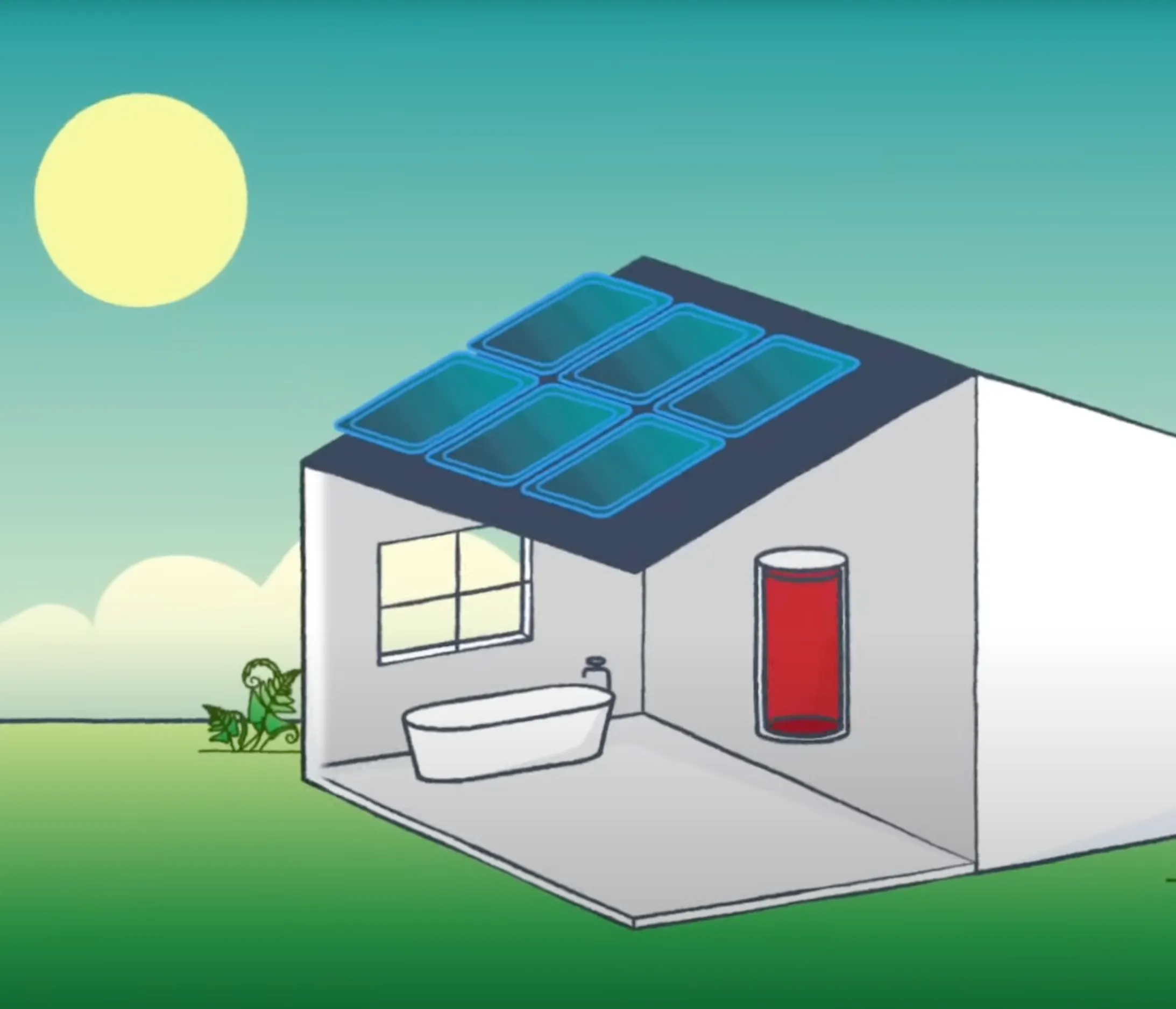
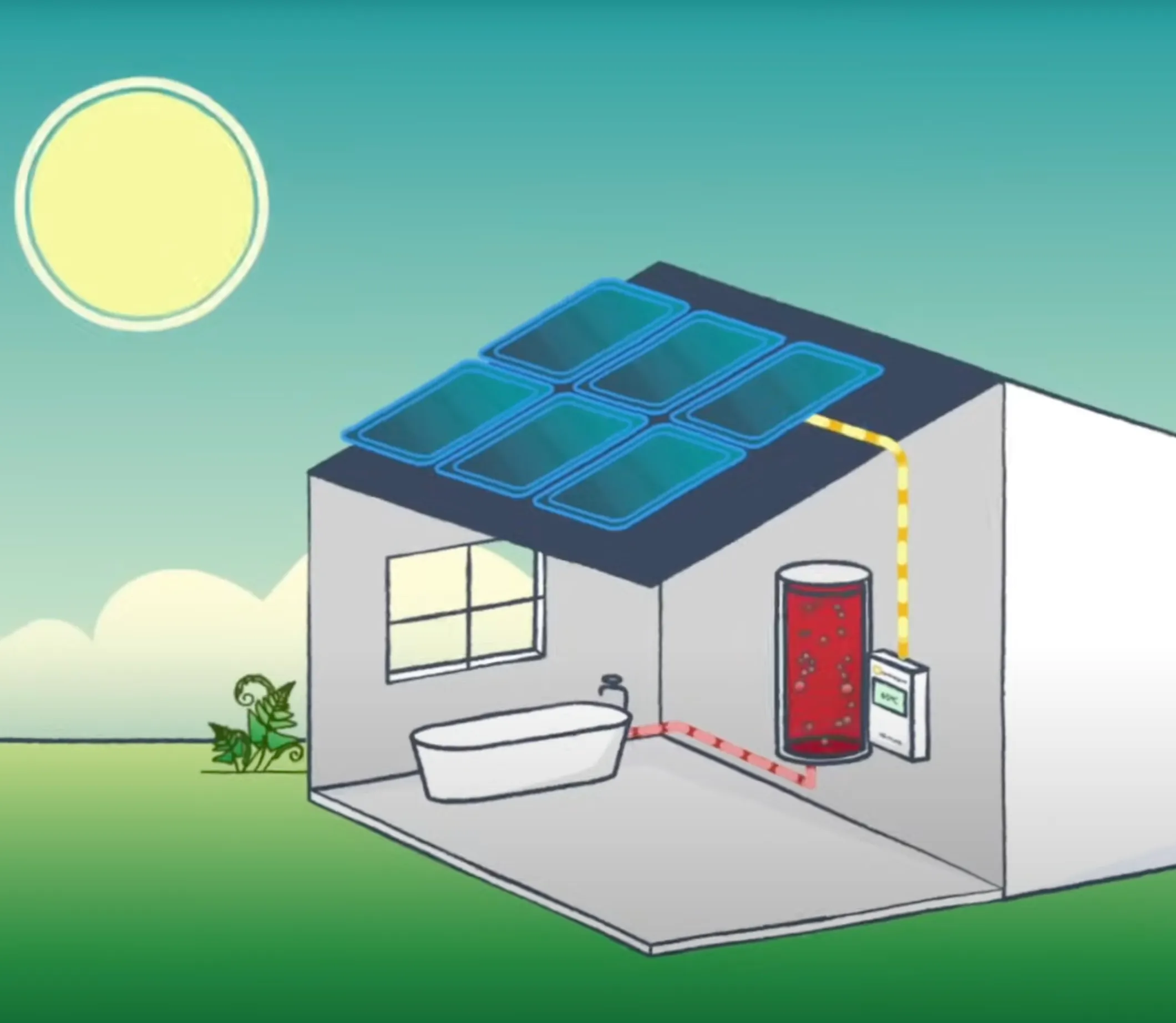
Most homes install four or six solar-electric panels, depending on household size and hot water demand. These panels are wired discreetly through the roof cavity into the Sol•Flare controller, which sits beside your existing cylinder.
Because Sol•Flare works with your current heating element, no plumbing changes are needed, and your hot water cylinder stays exactly where it is.
Electrical Integration
Sol•Flare connects directly to the AC circuit that already powers your cylinder, the heating element inside it, and a digital temperature sensor fitted to the tank.
The original mechanical thermostat remains in place as a safety backup and is set to a higher limit—typically 70°C—so the system can store excess solar energy as heat.
This mix of hardware and software control allows Sol•Flare to manage temperatures with far greater precision than a traditional hot water system.
How Sol•Flare Manages Heating Throughout the Day
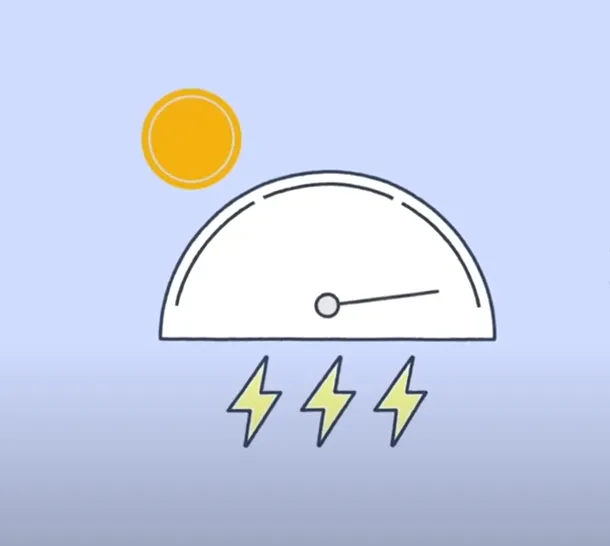
During daylight hours, all available solar energy is directed into the cylinder. The daily target temperature is 70°C, and the system actively works to reach it using only solar power.
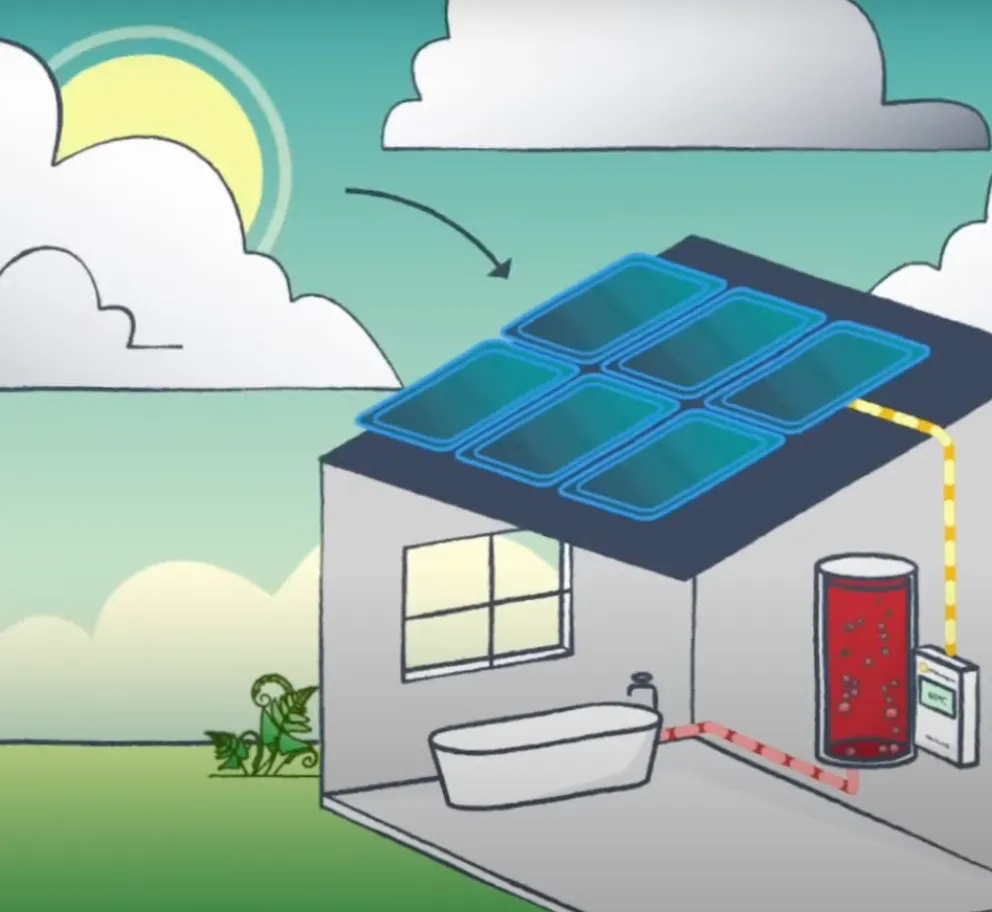
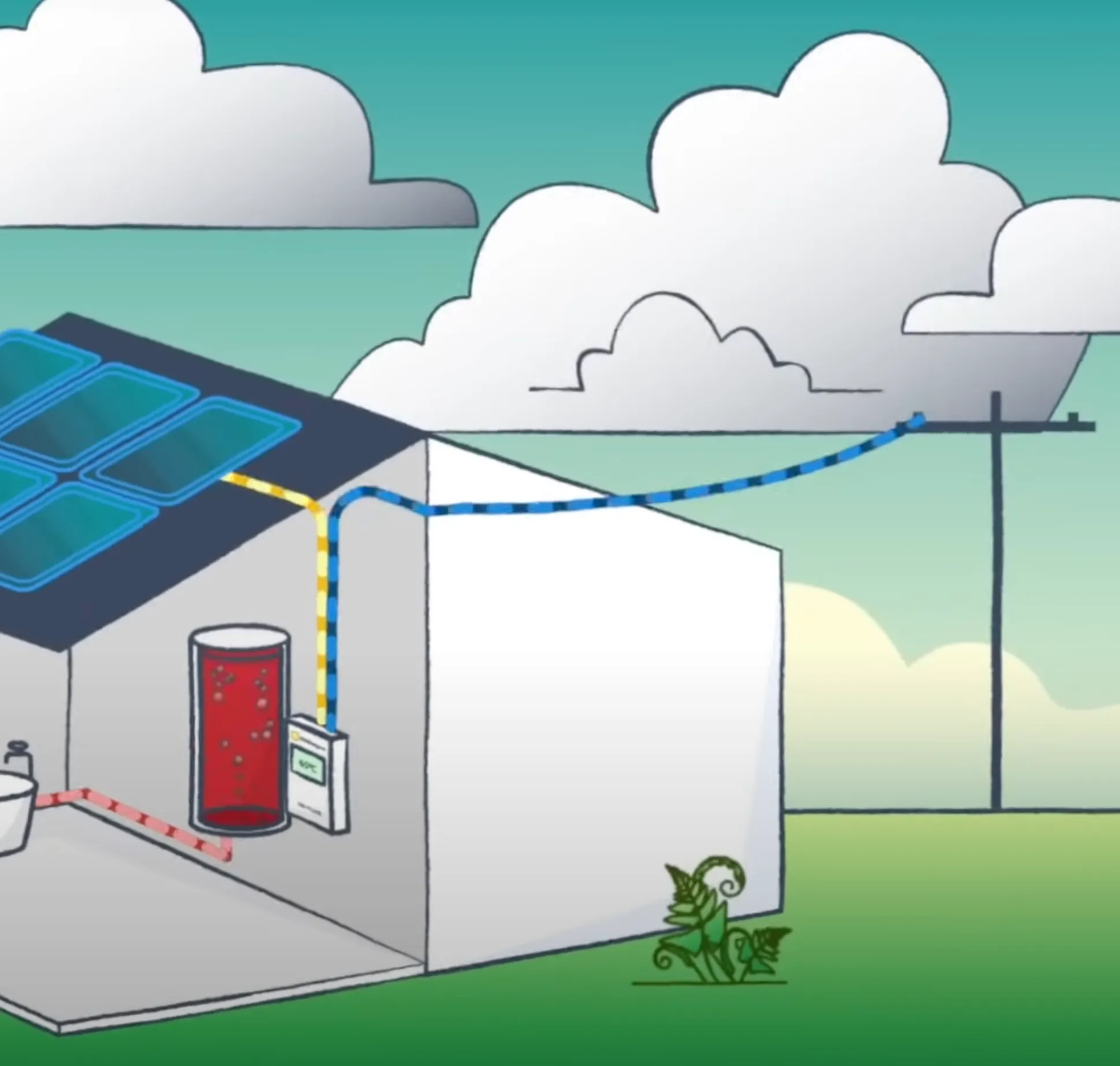
During periods of extended low sunlight, the cylinder may not achieve its target temperature. Sol•Flare will then deliver a controlled mains top-up, limited to 60°C, to guarantee evening hot water while reducing mains consumption.
For homes with very high demand, an optional overnight boost can be enabled and timed to cheaper off-peak rates. For most households, solar covers the entire daily heating requirement.

Why Traditional Hot Water Cylinders Use So Much Power
A standard hot water cylinder uses a simple 3,000-watt heating element that can only operate at full power. When someone showers and cold water enters the cylinder, the element switches on immediately, and because showers typically happen in the morning and evening, the cylinder reheats at the worst possible time: when there is no sunlight available.
This fixed 3kW load is usually the single biggest electricity user in the home. The technology hasn’t changed in decades, and without a system like Sol•Flare, even homes with rooftop solar still rely heavily on mains power to heat water.
How Sol•Flare Changes the Way Your Cylinder Uses Energy
The heart of Sol•Flare is its ability to shift your element from a simple on/off device into a variable-power heating system.
Instead of waiting for a full 3kW of power, your cylinder can now heat using whatever the sun provides - whether that’s 200W in rainy conditions or 2,700W in full sun.
Because the power is supplied as direct DC from the panels, there are no inverter losses, and every watt of solar generated goes straight into heating water. This eliminates daytime mains draw and dramatically increases solar self-consumption.
The result is a hot water system that reacts to actual conditions, not just a mechanical thermostat.
Turning Your Cylinder Into a Thermal Battery
With the thermostat typically set around 70°C (or higher, depending on your cylinder’s maximum operating temperature), Sol•Flare can store excess solar production as additional heat.
This stored thermal energy carries into the evening and early morning, when hot water use is highest.
By using your cylinder as a thermal battery, the system captures and holds more of the solar energy that would otherwise be lost or exported.
Matching Solar Panels to Daily Hot Water Needs
Most households use 10–15 kWHr's of hot water energy per day.
A four-to-six panel array produces roughly the same amount of energy over an average day, which is why Sol•Flare can meet nearly all hot water demand on an annual basis.
This makes hot water the most predictable, high-value use of solar in the home.
Aligned With Global Best Practice
Around the world, the most efficient homes use dedicated solar-to-hot-water DC systems to reduce running costs and maximise self-consumption.
Sol•Flare brings this proven approach to New Zealand, designed to work seamlessly with local hot water cylinders and household habits.
See Some Real Sites
Get a Personalised Sol•Flare Quote
Every home is different.
Request your quote to receive a tailored system design, energy-savings estimate, panel configuration, and an installation overview specific to your property.